188. A battle that surpasses the borders of any nation
As more details about financier and convicted sex offender Jeffrey Epstein have emerged, his network and interactions with wealthy and powerful figures have been exposed, and many are having sleepless nights.
Since recently released emails show Musk and Epstein exchanging friendly messages and discussing Musk's visits to Epstein’s private island in 2012 and 2013, the billionaire has gone mad.
However, as the communications indicate, we believe the trips likely did not occur due to logistical problems. And we also believe his Vanity Fair interview, where he said that Epstein was obviously a creep and claimed that Epstein tried repeatedly to get him to visit his island, but that he had declined.
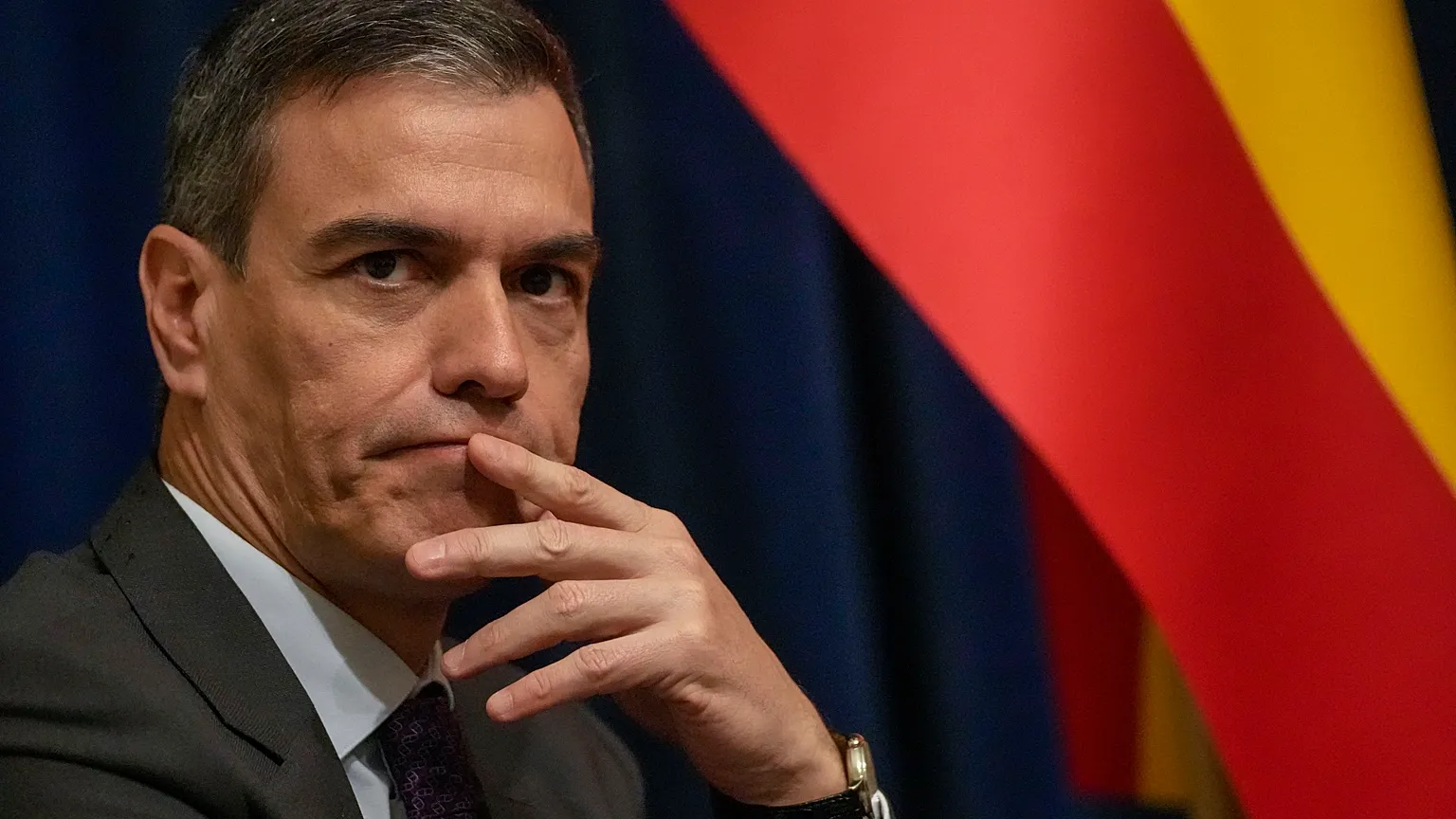
Then why the hell does Elon Musk call the Spanish prime minister, Pedro Sánchez a ‘tyrant’ over the plan to ban under-16s from social media and curb hateful content?
The recent explosion of AI-generated content and public outcry over reports that Musk’s Grok AI chatbot generated non-consensual sexual images, including images of minors, have fueled debate over the risks of such online content.
The prime minister, Pedro Sánchez, promised to protect children from the “digital wild west” and hold tech companies responsible for hateful and harmful content. Sánchez said that urgent action was needed because social media was a “failed state where laws are ignored, and crimes are tolerated”.
He also criticized Musk for using X to “amplify disinformation” regarding his administration’s recent decision to legalize 500,000 undocumented workers and asylum seekers, noting that Musk himself is a migrant.
Musk wrote on X in response: “Dirty Sánchez is a tyrant and a traitor to the people of Spain, and Sánchez is the true fascist totalitarian.”
The truth is approximately 82% of people in Spain believe children under 14 should be banned from social media, according to an Ipsos poll on education. This figure has increased from 73% in 2024.
Governments and regulators across the globe are examining how children’s screen time affects their development and mental health. As attitudes toward the technology have hardened in Europe, Elon Musk has directed personal insults at the prime minister. However, Google, part of Alphabet, TikTok, Snapchat, and Meta did not respond to Spain’s proposed measures.
Greece is also nearing an announcement of a similar ban for children under 15. Spain and Greece seem prepared to join countries like Britain and France in adopting stricter social media policies, after Australia's December decision to become the first country to ban children under 16 from accessing these platforms. Legislation is moving through France’s parliament. Britain is also considering similar measures.
It seems Musk is in serious trouble, as prosecutors have raided the French headquarters of his social media platform, X, and summoned the tech billionaire and the company’s former chief executive for questioning as part of an investigation into alleged cybercrime.
The Paris raid is part of an investigation initiated in January last year into alleged algorithmic abuse and fraudulent data extraction, along with complaints regarding X’s artificial intelligence tool, Grok. It stated that the alleged offenses under investigation now encompass complicity in possessing and organizing the distribution of child abuse images, infringing on image rights via sexualized deepfakes, and denying crimes against humanity.
The chatbot has sparked outrage for enabling users to “strip” clothed individuals in photos via AI image generation and editing. The EU is also investigating its role in producing and distributing sexualized deepfakes of women and minors. Although described as voluntary, the summonses issued to Musk and Yaccarino are mandatory.
We should also recognize that social media platforms act as engines of radicalization, accelerating the spread of extreme views, narrowing the range of shared facts, and weakening society’s ability to empathize with different perspectives.
Tech companies use free speech as a lens because it introduces a democratic aspect to their commercial interests, especially as oligopolists in an under-regulated digital space.
The concentration of digital power rests with companies whose leaders are quietly enabling an attack on the Constitution worldwide.
This is a battle that surpasses the borders of any nation.