238. Arundhati Roy does it once again
No other authors come to mind when I think of someone who invests more of their creative energy in self-promotion than in their writing. And that one name is - Arundhati Roy.
She is now standing alongside Lyse Doucet, Judith Mackrell, Jane Rogoyska, Ece Temelkuran, and Daisy Fancourt, who are shortlisted for this year’s Women’s Prize for Nonfiction. The winner will be announced alongside the winner of the Women’s Prize for Fiction on June 11.
The Women’s Prize for Fiction was established in 1996 to address the underrepresentation of women on major award shortlists. The $30,000 prize was established in 2024 to address the ongoing gender imbalance among UK nonfiction award recipients.
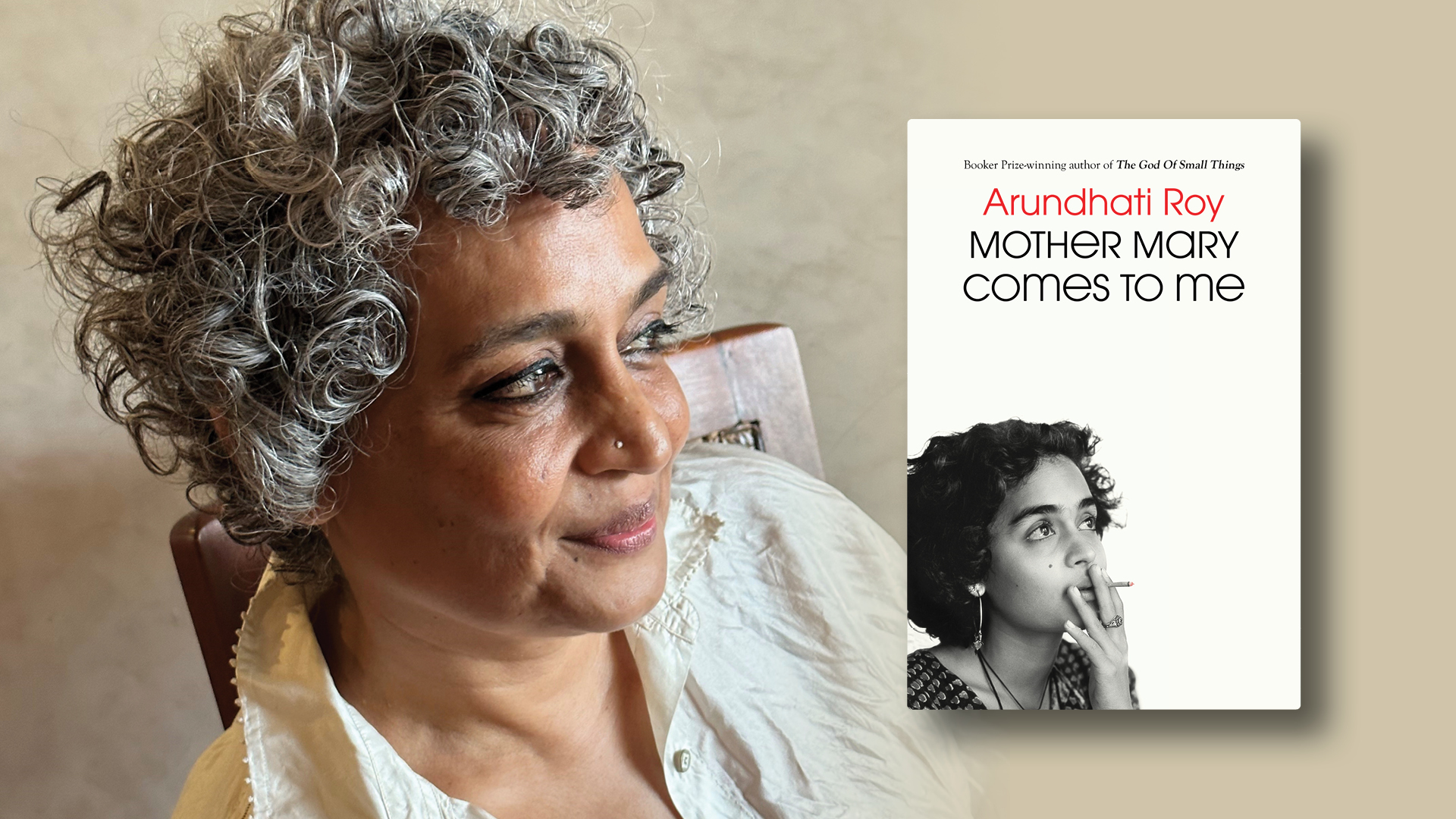
Roy has been selected for her memoir, Mother Mary Comes to Me. Jane Rogoyska’s Hotel Exile examines the history of the Hotel Lutetia in Paris, which served as the headquarters for the German military intelligence service, the Abwehr, during World War II.
Additionally, Lyce Doucet is recognized for The Finest Hotel in Kabul, a people’s history of Afghanistan told through the changing fortunes of the InterContinental hotel in the capital.
Also on the shortlist is Temelkuran for her book Nation of Strangers, on exile, migration and belonging, and the illusion of geopolitical and global stability.
The list of titles longlisted for this year’s prize, alongside the six shortlisted books, included Daughters of the Bamboo Grove by Barbara Demick; Don’t Let It Break You, Honey by Jenny Evans; With the Law on Our Side by Lady Hale; To Be Young, Gifted and Black by Kadiatu Kanneh-Mason; Ask Me How It Works: Love in an Open Marriage by Deepa Paul; Death of an Ordinary Man by Sarah Perry; The Genius of Trees by Harriet Rix; Finding Albion by Zakia Sewell; To Exist As I Am by Grace Spence Green; and Indignity: A Life Reimagined by Lea Ypi.
The inaugural winner of this prize was Naomi Klein for Doppelganger. Last year’s prize went to Dr. Rachel Clarke for The Story of a Heart.
The judging panel, chaired by Thangam Debbonaire, includes Roma Agrawal, engineer, author, and broadcaster; Nicola Elliott, founder of Neom Wellbeing; Nina Stibbe, novelist and memoirist; and Nicola Williams, crown court judge and thriller author.
I have read Roy’s Mother Mary Comes to Me. I have also read Jane Rogoyska’s Hotel Exile, and I feel Roy comes nowhere near Jane.
In the 1930s, Hotel Lutetia in Paris was a gathering spot for Europe’s bohemian artists, musicians, and politicians. With a rich history, it was an institution where André Gide stopped by for lunch, and James Joyce, Picasso, and Matisse were frequent guests.
When Hitler rose to power, the hotel drew in intellectuals and political activists who had been forced to escape their countries. They gathered there hoping to build an alternative government. But when the war started, Paris was taken over, and the hotel became the base for German military intelligence. In 1945, Lutetia was once again requisitioned and repurposed as a reception centre for deportees returning from concentration camps.
Reading Jane Rogoyska’s remarkable masterpiece offers insight into individual efforts to navigate some of the twentieth century's most devastating events.
I cannot comment on Lyce Doucet’s The Finest Hotel in Kabul, as it is still not available in India.
Last year, on a friend’s recommendation, I read Naomi Klein’s Doppelganger: A Trip into the Mirror World after it was named book of the year by The New York Times, The Times, and The Guardian. Naomi writes for The Guardian and is a well-known journalist. Though a difficult book, this is a book for our age.
Having read such a fine piece of prose, I felt disappointed when I saw Roy’s book on the list. Disappointed because her book on the list spoils the surprise of the award and its significance.
Readers around the world eagerly await the list of titles longlisted for the prize, as it showcases the best books written by the finest minds in the literary and nonfiction fields.
Secondly, I feel neither love nor hate for Roy, and I don’t belong to that group of nationalists who get excited when an Indian achieves something big. I believe anything good on this earth belongs to me, no matter the location. The world is one, as they say.
Maybe the panel included her book to attract some publicity, and as for Roy, we all know how aggressively she promotes her articles and books.