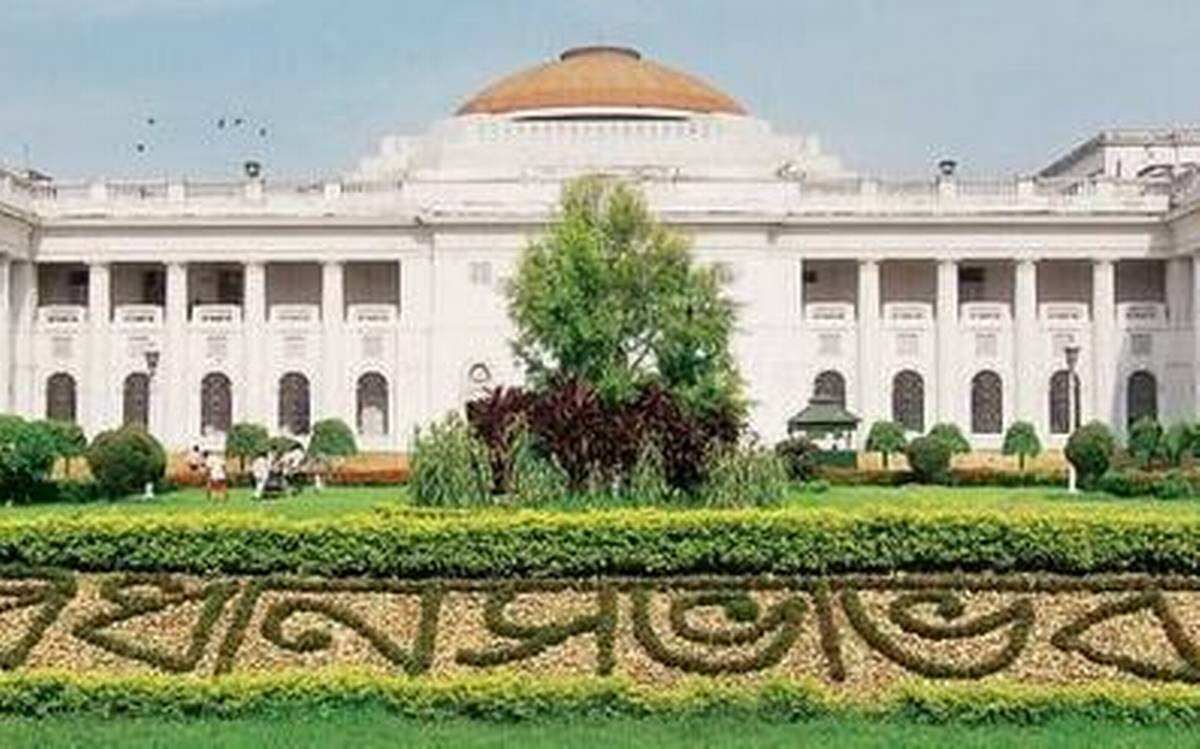
267. A peek into how Assemblies function
The final election day in West Bengal is set for 29, 2026. I reviewed a PRS team report analyzing the West Bengal Assembly's performance over the last five years.
I have selected a few points from the report that state how our Assemblies function. I am sure West Bengal is not an exception.
Here are some valuable insights: The Assembly met for 166 days and functioned for 430 hours between 2021 and 2026. Each sitting lasted for about 2.5 hours on average. This is significantly lower than the six hours prescribed under the West Bengal Assembly Rules. Fourth Session commenced in July 2023 and was not prorogued until the Assembly dissolved in 2026.
Only two and a half hours? Yes, you read it right. What were they doing after signing the register to claim their salaries?
Next - 91% of the Bills were introduced and passed on the same day. No Bill has been referred to a committee since 2011. 74 Bills were introduced, including the Aparajita Women and Child Bill, which strengthens penalties for sexual offenses. The West Bengal Clinical Establishments Amendment, which strengthens the oversight and regulation of private healthcare facilities.
My objection is that if the bills were passed in a single day, then where were the deliberations for which the assemblies are formed?
Three Bills took over a year to receive assent. One of these Bills reduced the number of Councillors in the Howrah Municipal Corporation from 66 to 50. Another transferred the power to appoint the Chairman and members of the Taxation Tribunal from the Governor to the state government. Budget discussed for an average of six days.
I am truly amazed by how the assembly operates.