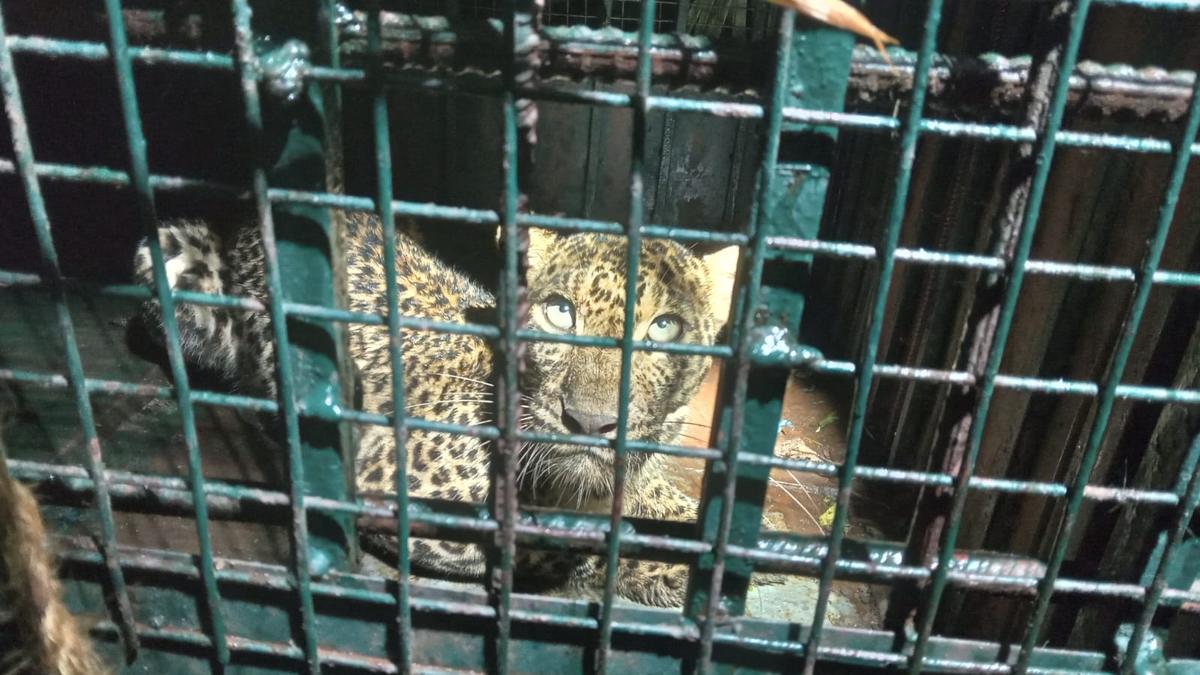
223. There are a thousand bars to see
Rainer Maria Rilke (1875–1926) was an Austrian poet and novelist born in Prague.
His poem “Der Panther” concisely and deeply examines the experience of losing physical freedom and the psychological impact of captivity on a living creature.
The poem avoids violence and uses refined language, but still highlights the brutality of the panther losing its independence.
The panther’s will, its inner life force, is suppressed, leaving it alive but unable to act. From its perspective, the entire world outside its cage seems to have vanished.
This loss is almost impossible to comprehend in magnitude, yet it remains nearly invisible from an outsider's perspective.
Rather than creating a visceral image that directly confronts the reader with the external horrors of captivity, Rilke guides us into the panther’s inner world with each stanza. The poem highlights the panther’s sense of lost autonomy. Although it appears calm on the surface, this loss has deeply fractured its inner self and its entire world.
Here is the poem "The Panther," translated from German by Alex Buckman.
His gaze is from the passing bars so weary
That now, within it, nothing more is held.
For him there are a thousand bars to see
But then behind a thousand bars, no world.
His pacing strides wind circles ever smaller,
And to the beating of a distant drum,
Perform a dance of power ’round a center
In which a once-so-mighty will stands numbed.
Now and again, the pupil’s curtains part
Without a sound. An image enters in,
Flows through the hush of tensely coiled limbs,
And vanishes within the beating heart.